As we age, everyday tasks such as getting dressed, preparing meals, or safely navigating the home can become more challenging. Occupational therapy (OT) helps seniors maintain independence, adapt to physical or cognitive changes, and continue participating in the activities that bring meaning and enjoyment to their lives.
What Occupational Therapy Is
Occupational therapy is dedicated therapeutic activity that supports function and safety during everyday activities, or “occupations.” It helps seniors regain, maintain, or improve the physical and mental skills they need for safety and well-being, and it can improve quality of life when there has been a change in roles, social circumstances, or living situation.
OT also helps older adults cope with age and disease-related changes. The most common involve balance, reflex reactions, mobility, and cognitive decline. Others include vision impairment, hearing loss, changes in taste and smell that can affect nutrition, and a decreased response to pain and temperature.
A senior recovering from a hip replacement may work with an occupational therapist to learn safer ways to dress, bathe, and move around the home. Someone experiencing memory loss may receive strategies such as visual reminders, labeled storage areas, and structured daily routines to improve safety and confidence.
Key Benefits
1. Improves daily routines, activities, and living skills
OT assists seniors in performing essential tasks such as dressing, bathing, eating, grooming, and cooking, even when mobility, strength, or cognitive abilities are reduced. Therapists may teach adaptive techniques, recommend assistive devices such as button hooks and long-handled sponges, or modify routines to make activities safer and easier.
2. Enhances mobility, coordination, and strength
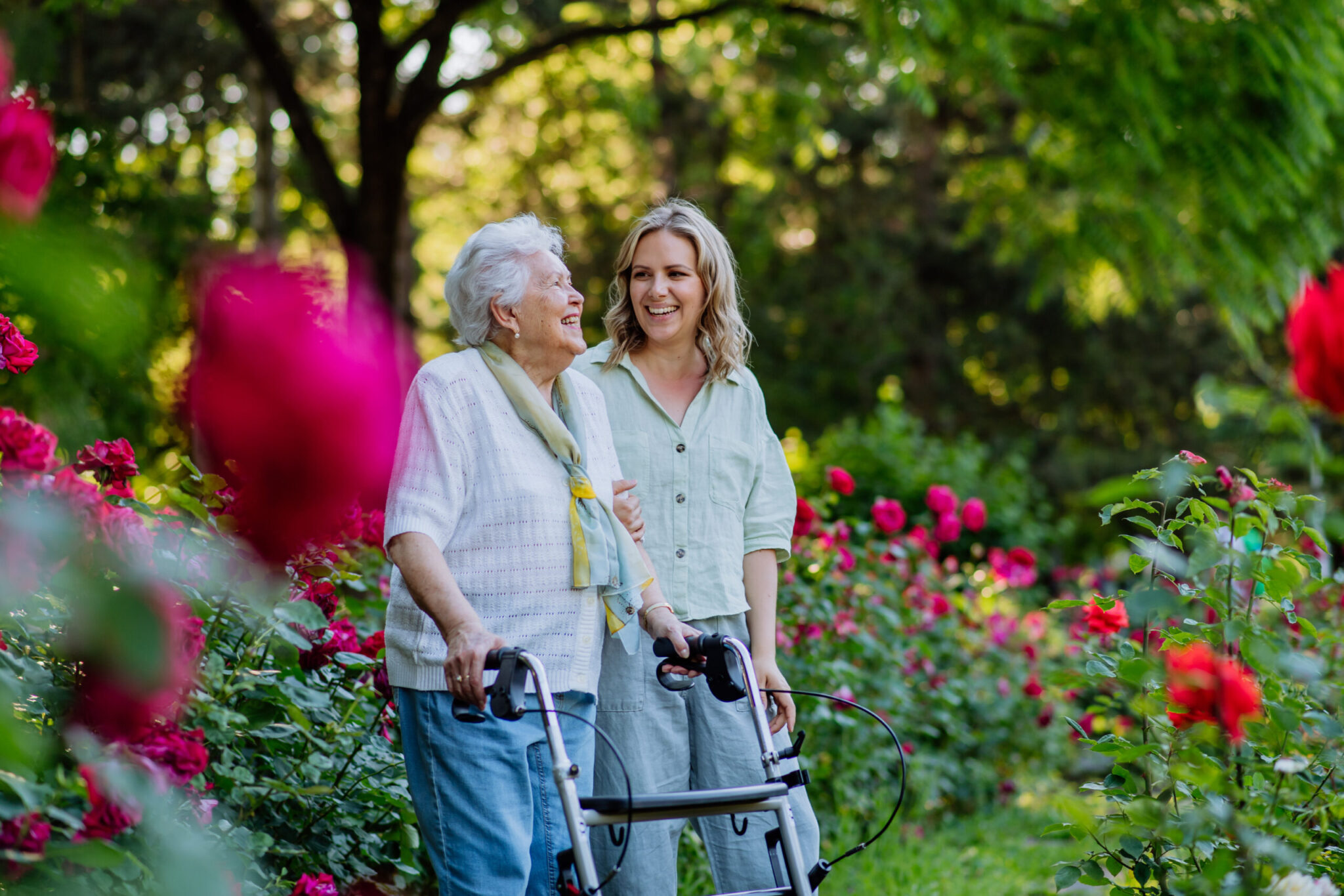
Through targeted exercises, OT addresses balance, range of motion, and fine motor skills, helping reduce fall risk and improve physical function. This is especially valuable after surgery, stroke, or injury.
3. Supports cognitive health
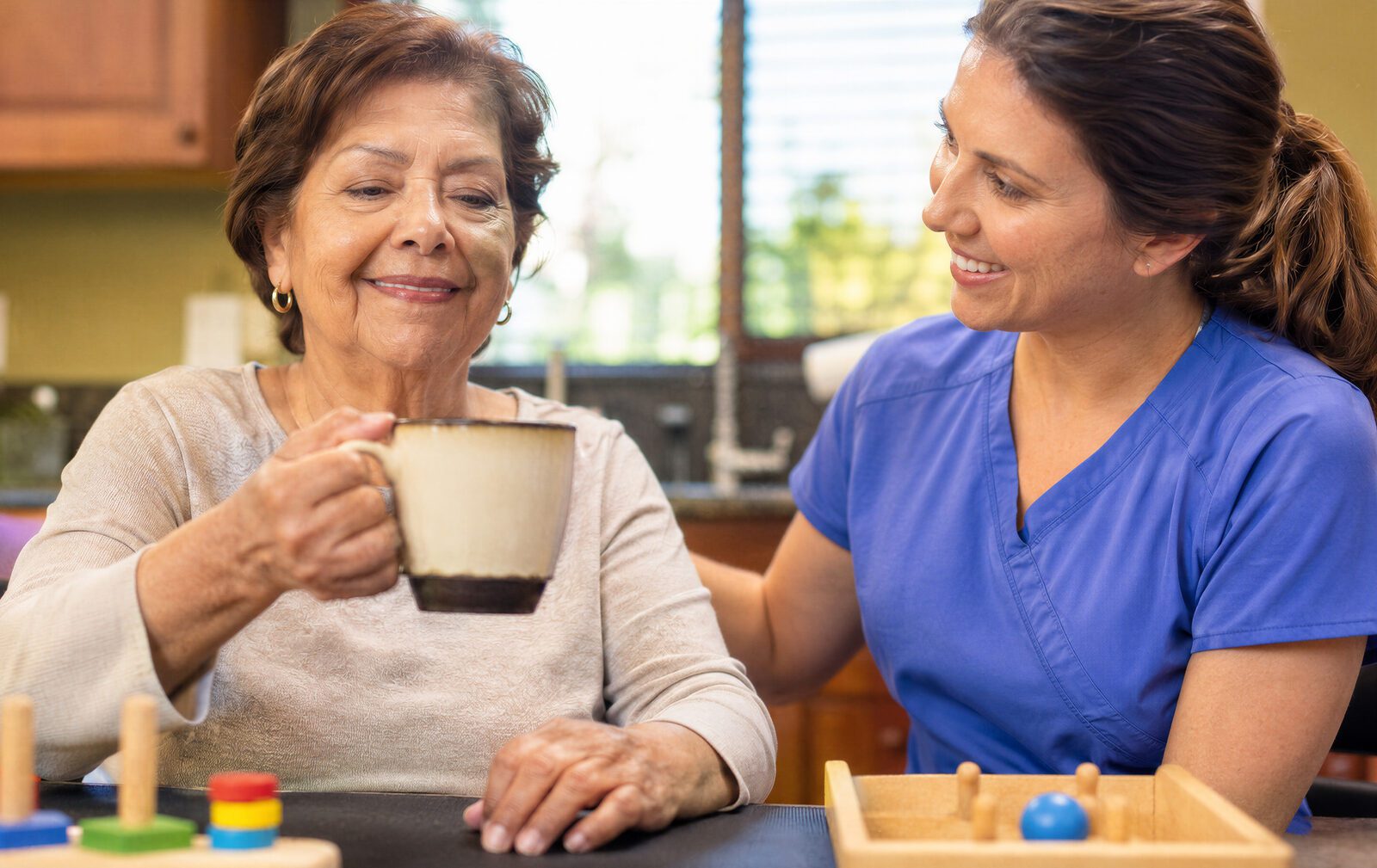
For seniors with memory loss, dementia, or other cognitive changes, OT provides strategies for safe decision-making, problem-solving, and daily tasks.
4. Promotes independence and quality of life
By enabling seniors to continue doing what matters to them, whether at home, in the community, or socially, OT fosters autonomy and confidence.
5. Increases home safety
OT professionals assess the home environment and recommend modifications that help prevent falls and other hazards. Common examples include:
- Installing grab bars in bathrooms
- Removing loose rugs and clutter
- Improving lighting in hallways and stairways
- Using raised toilet seats or shower chairs
- Rearranging frequently used items for easier access
6. Provides caregiver support
OT educates and coordinates with caregivers, helping them balance their own needs with the senior’s care requirements, reducing stress and strengthening support systems.
7. Supports emotional health and social engagement
Occupational therapy can help seniors remain involved in hobbies, community activities, volunteer opportunities, and family events. Continued participation in meaningful activities can reduce feelings of isolation, improve self-esteem, and contribute to overall emotional well-being.
When OT Is Most Helpful
Seniors may benefit from occupational therapy after surgery, stroke, injury, or illness; when experiencing mobility or cognitive decline; or when facing challenges with safe, independent living.
It can be especially beneficial for individuals living with arthritis, Parkinson’s disease, Alzheimer’s disease, dementia, multiple sclerosis, stroke, or chronic pain. Therapists create personalized treatment plans that address each person’s unique challenges and goals.
The Bottom Line
Occupational therapy for seniors is a personalized, holistic approach that addresses physical, cognitive, and emotional needs, enabling older adults to stay active, safe, and engaged in daily life. Growing older does not mean giving up independence. Occupational therapy empowers seniors to adapt, thrive, and continue enjoying the activities that make life meaningful, helping them remain safe, confident, and engaged in their communities.