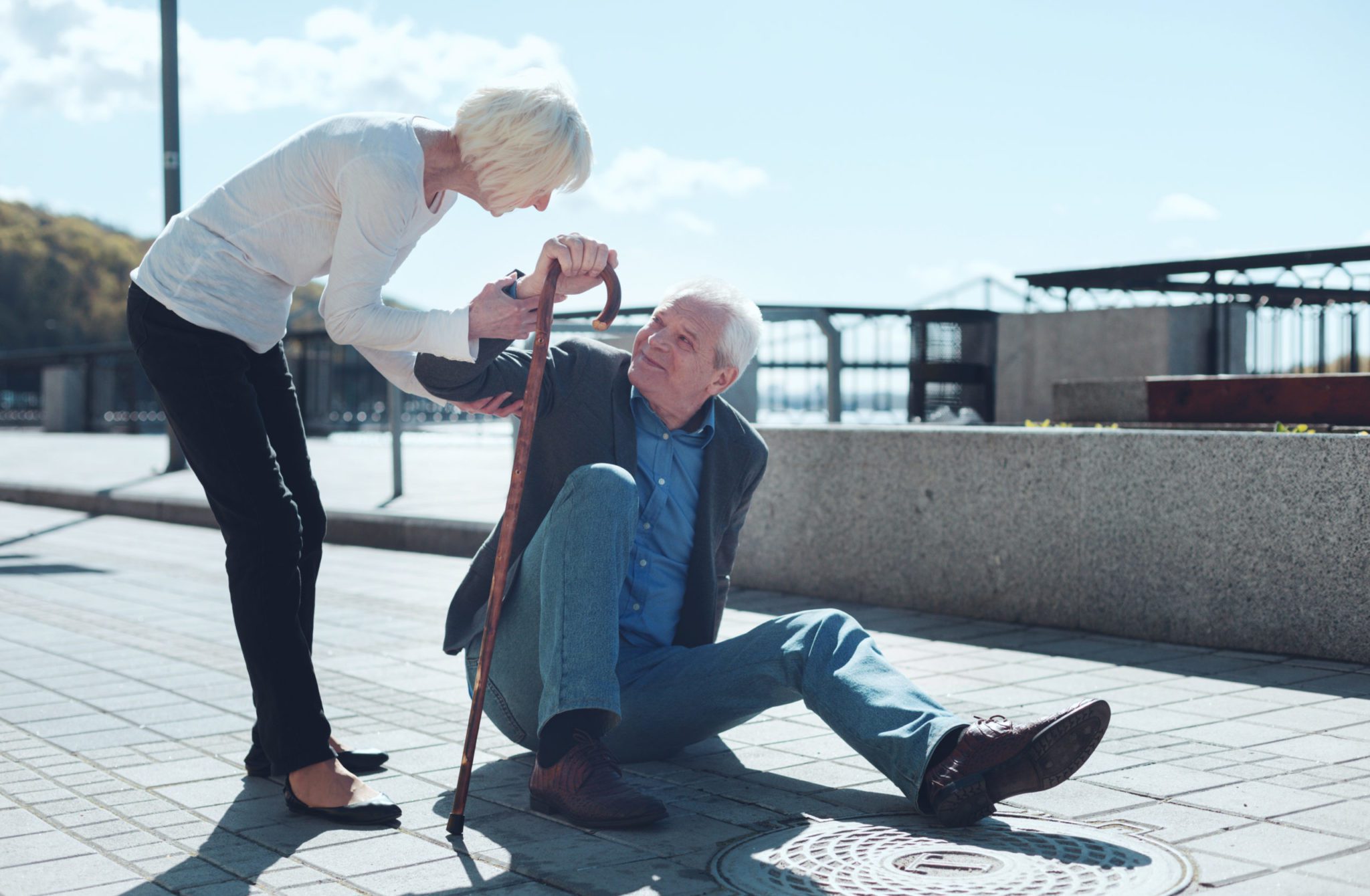
Falls are one of the biggest threats to an older adult’s health and independence. According to the CDC, more than one in four adults age 65 and older falls each year, and falls lead to about 4.5 million emergency department visits annually. Falls are also the most common cause of traumatic brain injuries in older adults and are behind the vast majority of hip fractures.
The good news is that falls are not an inevitable part of aging. Most happen because several risk factors overlap, and many of those factors can be identified and reduced. At Tapestry Senior Living, we prioritize our residents’ safety and well-being by taking proactive steps to minimize fall risk. Below, we explore the most common causes of falls in seniors, the warning signs families should watch for, and how Tapestry helps create a safe and supportive environment.
Why Do Seniors Fall?
There is rarely a single cause. A fall usually happens when several factors combine, such as weaker leg muscles, a new medication that causes dizziness, and a dimly lit hallway at night. Understanding each risk factor makes it easier to address them one at a time.
1. Age-Related Physical Changes
As we age, muscle strength, balance, flexibility, and reaction time naturally decline, which makes it harder to recover after a trip or stumble. At Tapestry Senior Living, we offer fitness programs and activities designed to help residents maintain and improve their strength, balance, and flexibility. Our exercise classes, walking clubs, and personalized fitness plans promote overall physical health and reduce the risk of falls associated with age-related changes.
2. Vision Problems
Cataracts, glaucoma, macular degeneration, and outdated eyeglass prescriptions can make it difficult to see obstacles, judge depth, or adjust to changes in lighting. Bifocal and multifocal lenses can also blur the ground when walking or using stairs. Tapestry Senior Living communities are well lit and designed with clear pathways to minimize potential hazards, and we encourage residents to have regular eye exams and update their eyewear as needed.
3. Medications
Some medications cause side effects such as dizziness, drowsiness, confusion, or low blood pressure. The risk grows when someone takes several medications at once, since interactions can compound those effects. Common culprits include sleep aids, sedatives, antidepressants, blood pressure medications, and some pain medications. At Tapestry Senior Living, our nursing staff works closely with residents and their healthcare providers to review medications regularly and make adjustments when needed, carefully considering each resident’s unique medical needs and potential interactions.
4. Dizziness When Standing Up
Many older adults experience a sudden drop in blood pressure when they stand up too quickly, a condition called orthostatic hypotension. It can cause lightheadedness, blurred vision, or even fainting within seconds of rising from a bed or chair. Simple habits help: sitting on the edge of the bed for a moment before standing, rising slowly, and staying well hydrated. Anyone who regularly feels dizzy when standing should mention it to their doctor.
5. Environmental Hazards
Clutter, loose rugs, uneven flooring, cords across walkways, slippery bathroom floors, and poor lighting are among the most common reasons for trips and slips. Tapestry Senior Living communities are designed with seniors’ safety in mind, featuring well-lit, clutter-free spaces with easily accessible handrails and grab bars. Our maintenance team regularly inspects and addresses potential hazards to keep our communities safe and secure.
6. Chronic Health Conditions
Conditions such as arthritis, Parkinson’s disease, diabetes, stroke, and heart disease can increase fall risk through pain, stiffness, reduced mobility, balance problems, or neuropathy, a loss of feeling in the feet. Tapestry Senior Living’s nursing staff is well versed in managing these conditions and works closely with residents and their healthcare providers to create tailored care plans. If a resident experiences a sudden onset of imbalance, we may test for a urinary tract infection (UTI), a common and often overlooked cause of sudden confusion and unsteadiness in older adults.
7. Nighttime Bathroom Trips
Many falls happen at night, often on the way to the bathroom, when grogginess, darkness, and urgency combine. Night lights along the path from bed to bathroom, a clear walkway, and grab bars near the toilet go a long way toward preventing these falls.
8. Inadequate Footwear and Foot Problems
Ill-fitting shoes, backless slippers, and socks on smooth floors can all lead to slips. Foot pain, bunions, and numbness can also change the way a person walks. Seniors should wear well-fitting, supportive shoes with non-slip soles, both indoors and out. Our staff is available to help residents find and put on appropriate footwear when needed.
9. Dehydration
Dehydration can cause dizziness, weakness, and confusion, and older adults often feel less thirsty even when their bodies need fluids. Tapestry Senior Living emphasizes proper hydration and provides easy access to water and other hydrating beverages throughout our communities. Our hydration stations are always stocked and fresh, and our staff monitors residents for signs of dehydration, offering reminders and assistance to help them maintain adequate fluid intake.
10. Cognitive Impairments
Seniors living with dementia or Alzheimer’s disease may be at an increased risk of falls due to confusion, disorientation, difficulty judging their own abilities, or trouble with spatial awareness. Tapestry Senior Living offers specialized Memory Care services, providing a secure and nurturing environment tailored to the unique needs of residents with cognitive impairments.
11. Fear of Falling
After a fall, or even a near miss, many older adults become afraid of falling again. That fear often leads them to move less, which weakens muscles and worsens balance, raising the risk of another fall. Staying active in a safe, supported way is one of the best ways to break this cycle. Programs that build strength and confidence, including occupational therapy, can help seniors trust their own movement again.
Warning Signs That Someone May Be at Risk
Families are often the first to notice changes. Watch for:
- Holding onto walls, furniture, or other people while walking
- A slower, shuffling, or unsteady walk
- Difficulty getting up from a chair without using their arms
- Unexplained bruises or minor injuries
- Avoiding stairs, outings, or activities they used to enjoy
- Dizziness, especially when standing up
- A recent fall, even one that caused no injury
The CDC suggests three simple questions: Have you fallen in the past year? Do you feel unsteady when standing or walking? Do you worry about falling? A “yes” to any of them is a good reason to ask a doctor about a fall risk assessment. You can also take the free Falls Free CheckUp from the National Council on Aging for a quick sense of risk.
What to Do After a Fall
Even when no one is hurt, a fall is important information, because one fall increases the chance of another. Let your loved one’s doctor know about any fall so they can look for causes such as a medication side effect, an infection, or a new health change. A physical or occupational therapist can then help build a plan to restore strength, balance, and confidence. Learn more about fall rehabilitation options at Tapestry Senior Living.
Frequently Asked Questions
How common are falls in older adults?
Very common. More than one in four adults age 65 and older falls each year, according to the CDC.
What is the most common cause of falls in seniors?
Most falls result from a combination of factors rather than a single cause. Muscle weakness and balance problems are among the most frequent contributors, often combined with medication side effects, vision changes, and hazards in the home.
Can falls in seniors be prevented?
Many can. Regular strength and balance exercise, periodic medication reviews, yearly eye exams, proper footwear, and simple home modifications such as grab bars, night lights, and clutter-free walkways all lower the risk.
When should a family consider senior living for fall safety?
If a loved one has fallen more than once, struggles with daily tasks, or lives alone without someone nearby to help, a community with around-the-clock staff, safety-focused design, and on-site wellness programs can bring peace of mind to the whole family.
Safety and Support at Tapestry Senior Living
Falls are common, but they are not something families simply have to accept. By understanding the causes and taking proactive steps, seniors can stay safer, more active, and more independent. At Tapestry Senior Living, fall prevention is built into daily life, from our fitness programs and medication reviews to our community design and attentive staff. For more practical tips, read our guide to fall prevention strategies. To learn how we can support your loved one, contact us to schedule a visit.